 EN
EN


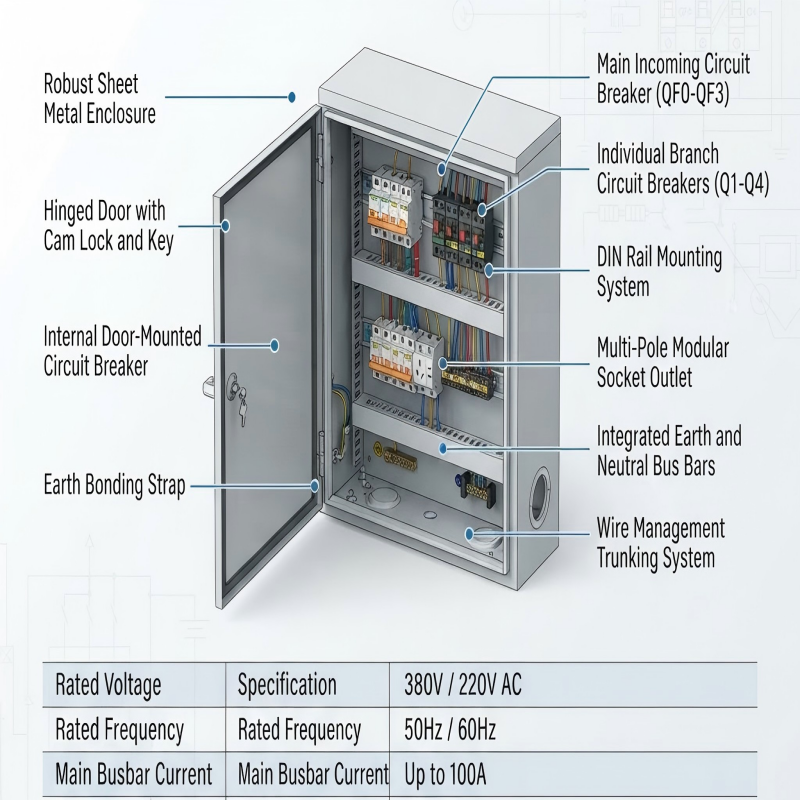
In today's fast-paced industrial manufacturing environment, reliable power management is the backbone of operational success. From heavy-duty ventilation fans and industrial water pumps to complex automated assembly lines, modern factory equipment demands a consistent, safe, and efficient flow of electricity. However, many factory managers become so preoccupied with the performance of the machines themselves that they overlook the most vital component of their facility’s infrastructure: the power distribution box.
Think of the distribution box as the "central nervous system" of your production floor. It is far more than just a metal cabinet housing wires and switches; it is a sophisticated control hub that monitors, balances, and protects your entire electrical load. In an industrial setting where downtime translates directly into lost revenue, a well-engineered multi-circuit power distribution box serves as a critical safety barrier. It prevents electrical faults from spiraling into system-wide disasters, manages energy efficiency to reduce overhead, and ensures that each machine receives precisely the power it needs to function at its peak. Investing in a professional, organized distribution solution is not just about maintenance—it is a proactive strategy to boost productivity, extend the lifespan of your expensive machinery, and ensure your facility meets the highest standards of industrial safety.
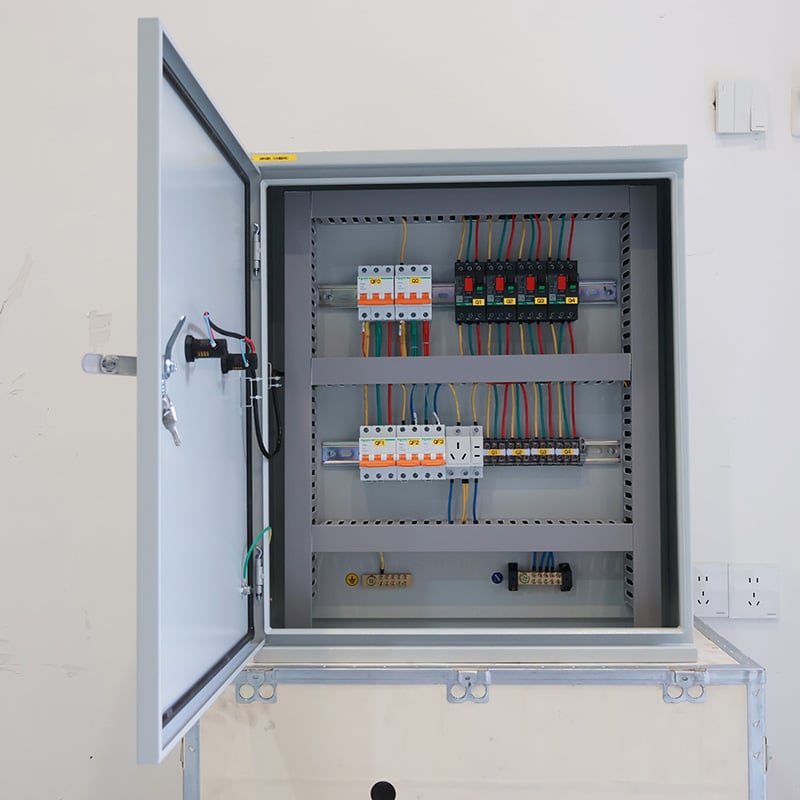
Why are Multi-Circuit Power Distribution Boxes Indispensable?
Fine-Grained Load Management: Instead of relying on a single connection for the entire floor, a multi-circuit box segregates the power supply. By assigning dedicated circuits to specific equipment like fans, pumps, or conveyors, you gain the ability to manage, monitor, and control each unit individually. This prevents one heavy-duty machine from creating voltage fluctuations that could interfere with the delicate operation of others.
Physical Safety and Fault Isolation: One of the greatest risks in a factory is a cascading electrical fault. A high-quality multi-circuit box is designed with selective coordination. If a short circuit occurs in a pump’s motor, the individual branch breaker trips instantly to isolate that specific fault. This allows the rest of your production line to remain fully operational, significantly reducing costly downtime.
Optimizing Power Paths and Efficiency: Poorly planned wiring often leads to excessive cable runs and high contact resistance, which translates into wasted energy and significant voltage drops at the point of use. Modern multi-circuit boxes allow for localized distribution, which shortens cable runs, minimizes line losses, reduces heat generation, and ensures that motors and drives receive stable, high-quality voltage to operate at peak efficiency.
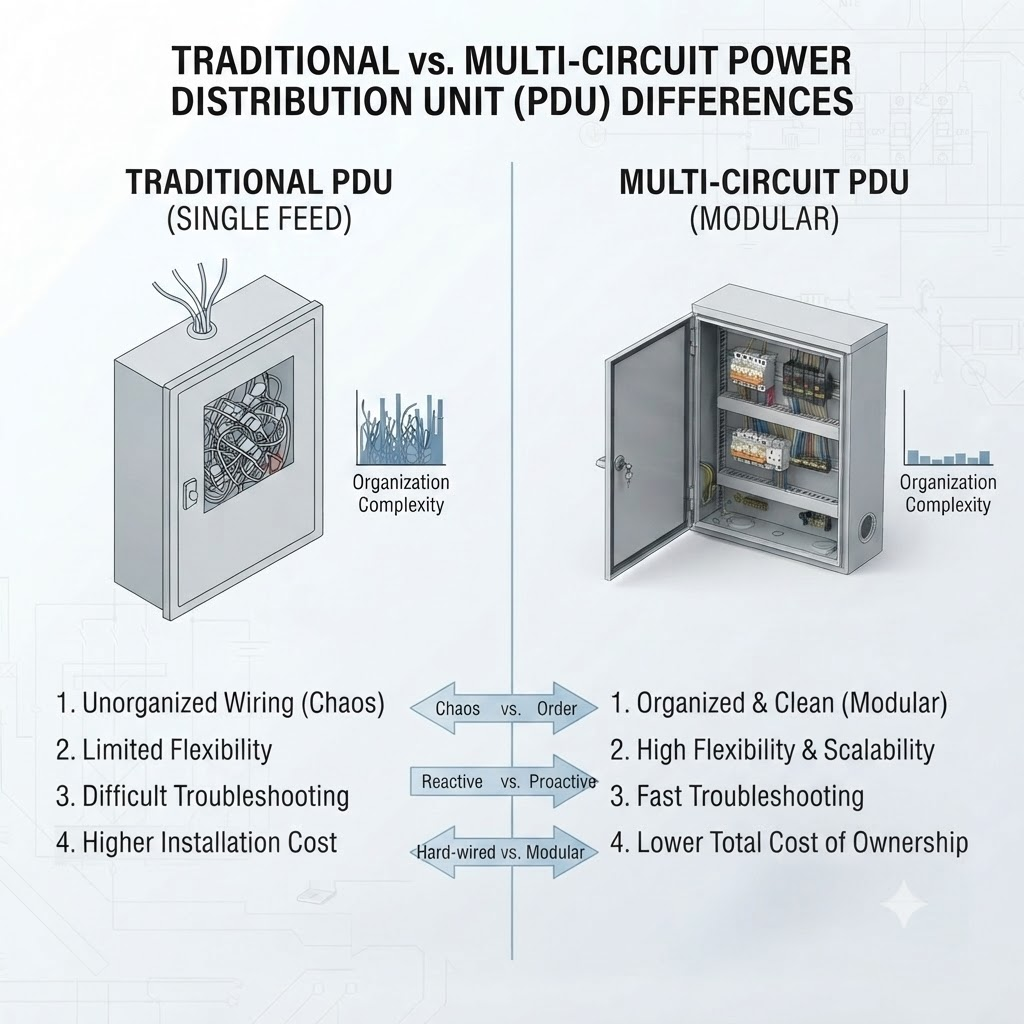
Core Differences:
Comparison:Traditional Wiring vs. Modern Distribution Boxes
Evaluation Metric |
Traditional distribution box |
Multi-circuit distribution box |
Safety |
High risk, large-scale tripping |
Precise, local fault isolation |
Efficiency |
Cluttered, high thermal loss |
Organized, optimized current flow |
Maintenance |
Difficult to troubleshoot |
Clear, fast identification of faults |
Longevity |
Rapid motor/cable aging |
Extends equipment life |
Scalability |
High re-wiring costs |
Easy to expand and upgrade |
Core Architecture: Key Components
Main Switch Unit (Incoming Protection): This acts as the command center for the entire cabinet. It provides total system isolation, allowing maintenance teams to safely de-energize the entire distribution box, while also offering essential primary protection against large-scale overloads or short circuits coming from the main grid.
Branch Circuit Breakers: These are the frontline defenders for your equipment. By selecting breakers that match the specific rated current and duty cycle of each load, you ensure that every machine is protected within its optimal operating range. These components prevent equipment damage from overcurrent while ensuring safe startup sequences.
Motor Protection Switches: Industrial inductive loads—such as water pumps and ventilation fans—have unique electrical profiles, including high inrush currents during startup. These specialized switches are engineered to detect stall, phase loss, and overload conditions that standard breakers would miss, acting as a dedicated "guardian" for your motor assets.
Busbars and Terminals: These serve as the high-conductivity backbone of the box. Using professional-grade copper or tin-plated busbars reduces resistance and heat build-up. Organized, clearly labeled terminal blocks ensure that every connection is secure, vibration-resistant, and easy to trace for future maintenance or troubleshooting.
Protective Enclosure: The exterior shell is the first line of defense against the industrial environment. Whether it is shielding components from metallic dust, humidity in a wash-down area, or high ambient temperatures, a properly rated enclosure ensures the internal electrical components stay clean, cool, and dry, significantly extending their service life.
FAQ
Q1: What is the most important factor when choosing a box?
A1: Prioritize the IP protection rating based on your environment (e.g., dust/water) and ensure the circuit breaker ratings match your equipment loads precisely.
Q2: How do I fix overheating issues?
A2: Periodically tighten all terminal connections, prevent overloading, and ensure the unit is installed in a well-ventilated location.
Q3: Why use separate motor protection switches?
A3: They are specifically engineered to handle the high startup surges and overload characteristics of motors, which standard breakers cannot do.
Q4: How often should I perform maintenance?
A4: Schedule a professional inspection every six months to check for loose connections, dust buildup, and component wear.
Q5: What makes a distribution box "modern standard"?
A5: A compliant box features clear labeling, logical layout (separation of power/signal lines), and high-quality, certified electrical components.
Final Thoughts:
A power distribution box is the "central nervous system" of your factory. Choosing a high-quality solution ensures production continuity and safety. If you are planning an upgrade, consult with a professional electrical engineer to ensure your system design is efficient and future-proof.