 EN
EN


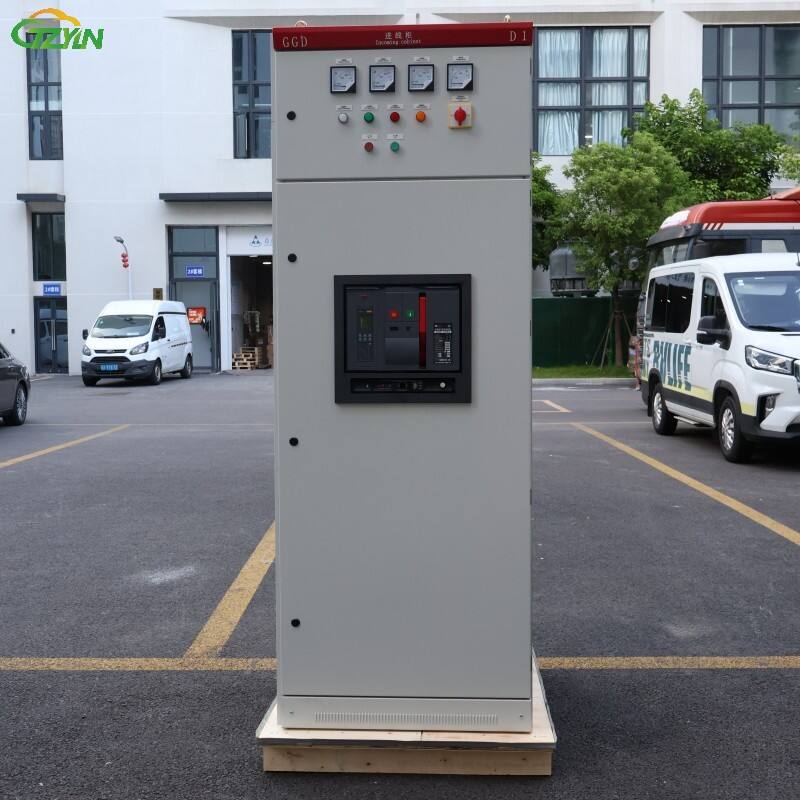
Macro Education: The Physics Challenges of the 3200A High Current Load
The 3200A Low-Voltage Switchgear operates as the core of critical power supply systems, and its design must address unique physical challenges posed by high current. Procurement managers and production managers must understand that selecting a 3200A-class device is fundamentally about managing two potential destructive forces:
1. Thermal Effect and the Mystery of Short-Circuit Thermal Stability
When 3200A or a short-circuit fault current flows through the busbars and connection points, the conductors instantaneously generate immense heat. If this heat is not effectively controlled, it could lead to accelerated insulation aging or even fire. The core design philosophy focuses on Short-Circuit Thermal Stability: ensuring the busbar system can withstand this extreme temperature rise during the brief period before the protection device clears the fault, without damaging itself or surrounding materials. This is the foundation for the safety and lifespan of your 3200A Switchgear Procurement.
2. Electromagnetic Effect and the Demand for Short-Circuit Dynamic Stability
During a short-circuit fault, the instantaneous current peak generates extremely strong Electromagnetic Repulsion Forces. This force can instantly push apart or twist the busbars. This necessitates that the cabinet frame and busbar supports possess exceptionally high Short-Circuit Dynamic Stability (mechanical strength). Excellent 3200A Low-Voltage Switchgear Manufacturers employ special reinforcement and support designs to ensure the busbar system maintains structural integrity under the impact of electromagnetic forces, preventing fault escalation.
Structural Design and Fault Protection: Arc Flash Protection and Internal Segregation Techniques
A qualified 3200A Low-Voltage Switchgear design does not stop at current carrying capacity; it must also include robust fault containment capabilities.
1. Limitation of Fault Arcs and Arc Flash Protection
Fault arcs are among the most hazardous phenomena in low-voltage systems. Advanced 3200A cabinets incorporate Arc Flash Protection designs, which may include pressure relief channels, specialized fire-resistant materials for segregation, and the integration of arc detection sensors. These technologies aim to rapidly isolate or extinguish the arc, minimizing the energy released, preventing injury to operators, and containing equipment damage.
2. Physical Segregation of Internal Functional Units
To enhance maintenance safety and fault containment, Low-Voltage Switchgear strictly enforces functional unit segregation. In the 3200A main incoming cabinet, metal barriers must physically separate the circuit breaker compartment, the busbar compartment, and the cable compartment. This segregation not only meets the safety requirements set by Low-Voltage Switchgear Selection Standards but also ensures safety in adjacent energized sections when maintenance is performed in one area.
Insulation and Environmental Durability: The Contribution of Materials Science to Long-Term Reliability
The long-term reliability of the 3200A Low-Voltage Switchgear relies less on material bulk and more on the scientific application of advanced materials, particularly for insulation and corrosion resistance.
1. Insulating Mediums and Dielectric Withstand Voltage
Busbar supports and barriers are typically made from high-strength, temperature-resistant, high-Dielectric Withstand Voltage composite materials (such as SMC). All exposed busbars must be covered with high-grade heat-shrink tubing before connection. These measures effectively increase the insulation strength, resist creeping discharge or breakdown in humid or contaminated environments, and thus secure the long-term electrical safety of the 3200A system.
2. Environmental Adaptability and Anti-Corrosion Processes
For industrial applications, the 3200A Switchgear must possess excellent Environmental Adaptability. The cabinet's metal enclosure is treated with electrostatic epoxy powder coating, creating a uniform, highly adherent layer resistant to corrosion and rust. Combined with an IP55 rating, the equipment can withstand corrosion from moisture, dust, and corrosive gases in industrial settings, extending the equipment life and justifying the 3200A Switchgear Price investment.
Secondary Circuit Design and Communication Protocols: The Foundation for Remote Monitoring and Control (SCADA)
The intelligence value of the 3200A Low-Voltage Switchgear is realized through its secondary circuit design and data communication capabilities.
1. Standardized Design for Measurement and Control
The secondary circuit is responsible for data acquisition and control command execution. Standardized secondary circuit design requires that all terminal blocks, secondary cables, sensors, and protection components are installed clearly and labeled uniformly. This standardization simplifies on-site wiring and provides a reliable physical basis for the future integration of Remote Monitoring and Control systems.
2. Communication Interfaces and Protocols of the RGW1-3200/3
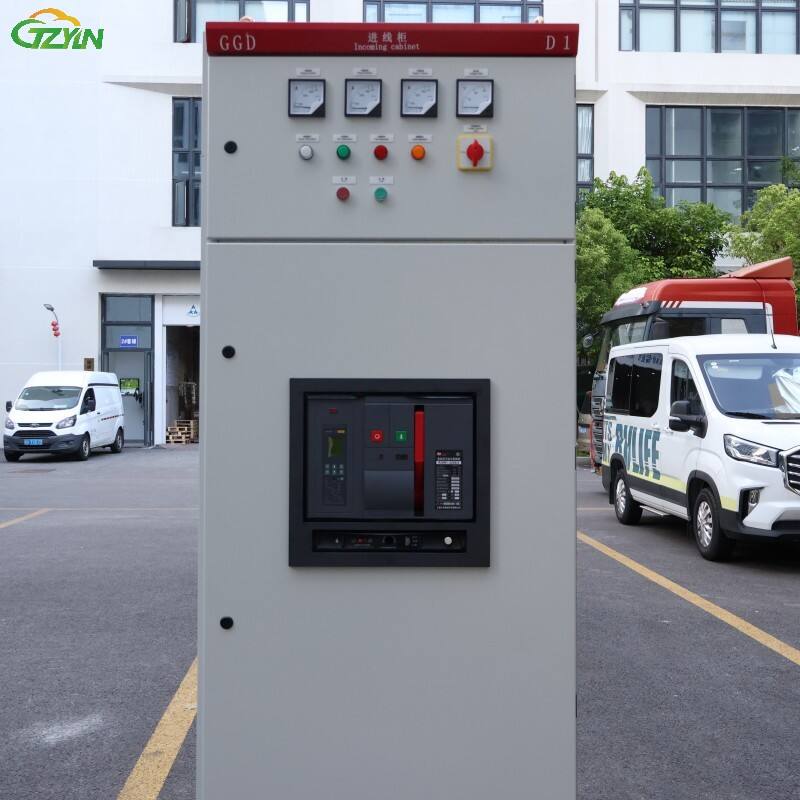
The RGW1-3200/3 intelligent circuit breaker, as seen in your images, features data output capability. Through built-in communication modules (e.g., RS485 interface), it can support industry-standard protocols like Modbus RTU or IEC 61850. This allows the procured 3200A Low-Voltage Switchgear to be seamlessly integrated into supervisory control systems (SCADA or EMS), enabling remote monitoring, status checking, and control.
In-Depth Product Performance FAQs: About the 3200A Low-Voltage Switchgear
1. What is the physical difference between the Rated Short-Time Withstand Current and the Rated Peak Withstand Current of the 3200A Low-Voltage Switchgear?
Design Focus: The Rated Short-Time Withstand Current measures the ability of the busbar and insulation to withstand thermal stress (heat) during the short fault duration, primarily ensuring Short-Circuit Thermal Stability. The Rated Peak Withstand Current measures the mechanical strength of the cabinet to withstand the electromagnetic force generated by the peak current, primarily ensuring Short-Circuit Dynamic Stability.
2. What is the difference in testing scenarios between the Mechanical Life and Electrical Life of the RGW1-3200/3 circuit breaker?
Testing Scenarios: Mechanical Life is tested without load or power, verifying the durability and number of operations of the circuit breaker's mechanism. Electrical Life is tested while the breaker interrupts its rated or short-circuit current, assessing the degradation of the contacts due to arc erosion.
3. In the 3200A busbar design, how is Current Density balanced between safety assurance and the 3200A Switchgear Price?
Balancing Act: Current Density is a measure of busbar cross-section efficiency. Designers must select an appropriate current density that ensures the temperature rise remains within limits. By maintaining an acceptable current density, they guarantee safe operation while avoiding excessive copper usage, thereby rationally managing the 3200A Low-Voltage Switchgear Price.
4. How is the contact resistance at the Busbar Connection Points controlled and monitored during the 3200A cabinet assembly process?
Process Control: Controlling contact resistance is crucial. Installation requires professional surface treatment (silver/tin plating) and strict adherence to the manufacturer's specified torque values for connection bolts. Using a calibrated torque wrench ensures uniform and sufficient pressure at every joint, which minimizes contact resistance and reduces localized heating.
5. How does the Low-Voltage Switchgear's IP55 rating indirectly protect the internal Short-Circuit Thermal Stability performance?
Indirect Protection: An IP55 rating prevents solid foreign objects larger than 1.0mm (like conductive dust) from entering the cabinet. By preventing conductive dust from accumulating on insulating surfaces, the IP55 rating prevents local short circuits or tracking paths, thereby protecting the internal insulation and indirectly ensuring the system's Thermal Stability during both normal and fault conditions.
Table of Contents
- Macro Education: The Physics Challenges of the 3200A High Current Load
- Structural Design and Fault Protection: Arc Flash Protection and Internal Segregation Techniques
- Insulation and Environmental Durability: The Contribution of Materials Science to Long-Term Reliability
- Secondary Circuit Design and Communication Protocols: The Foundation for Remote Monitoring and Control (SCADA)
-
In-Depth Product Performance FAQs: About the 3200A Low-Voltage Switchgear
- 1. What is the physical difference between the Rated Short-Time Withstand Current and the Rated Peak Withstand Current of the 3200A Low-Voltage Switchgear?
- 2. What is the difference in testing scenarios between the Mechanical Life and Electrical Life of the RGW1-3200/3 circuit breaker?
- 3. In the 3200A busbar design, how is Current Density balanced between safety assurance and the 3200A Switchgear Price?
- 4. How is the contact resistance at the Busbar Connection Points controlled and monitored during the 3200A cabinet assembly process?
- 5. How does the Low-Voltage Switchgear's IP55 rating indirectly protect the internal Short-Circuit Thermal Stability performance?