 EN
EN


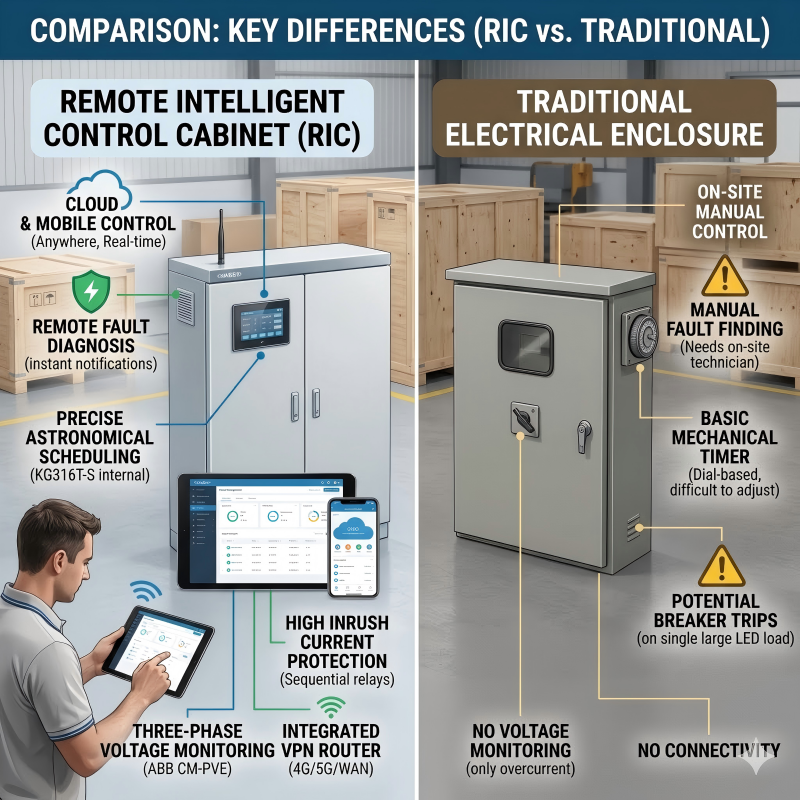
Í nútíma borgarljóssetningu, stórum landslagsverkum og útsetningu á utandyrs LED-kerfum hefur stjórnun á hundruðum ljósstöðvum á skilvirkan hátt verið að helstu áhugamál framkvæmdastjóra. Með þróun á Internet of Things (IoT)-tækni, Fjarstýrðar heppnilegar stjórnunarstöðvar (RIC) eru hratt að taka við af hefðbundnum vélmennsku dreifidóskum.
Ef þú ert að skipuleggja stórt ljósverk er mikilvægt að skilja lykilmuninn á milli þessara tveggja. Þessi grein veitir djúpan greiningu á þessari heppnilegu stjórnunarstöð – sem er samþáttað með VPN-leiðbeiningum og PDU-tækni – og rannsakar hvers vegna hún er besta valið fyrir snjallt ljós.
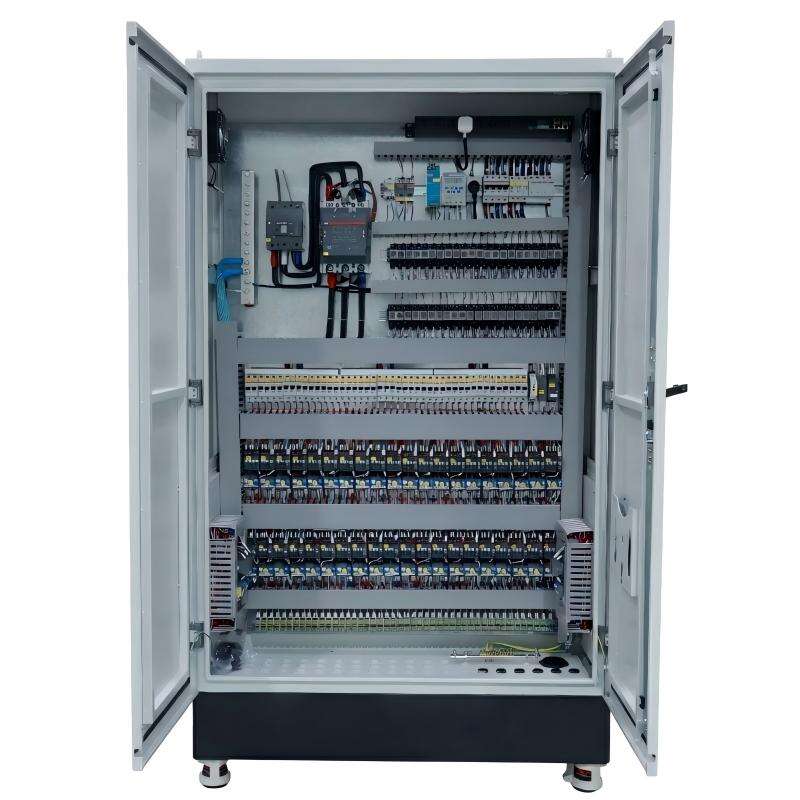
Hvað er fjarstýrð heppnileg stjórnunarstöð?
Fjarstýrður heppinn stjórnunarstofa er tæknilegur rafrænn kerfisuppsetningur sem sameinar afldeilingu, rásarvernd, rökhugbúnaðarstjórnun og nettengingar. Í mótsögn við hefðbundin skápur sem býða aðeins upp á grunnvirkni til að skipta á milli ástanda hefur RIC "hjarna" (PLC eða mikroforritun) og "nervakerfi" (4G/5G/VPN-nettengingarmóduḷa), sem gerir notendum kleift að stjórna aflkerfinu í rauntíma frá stjórnunarstöð eða jafnvel frá snjalltól.
Kerfisgrunnvirkin og greining á innri hlutum
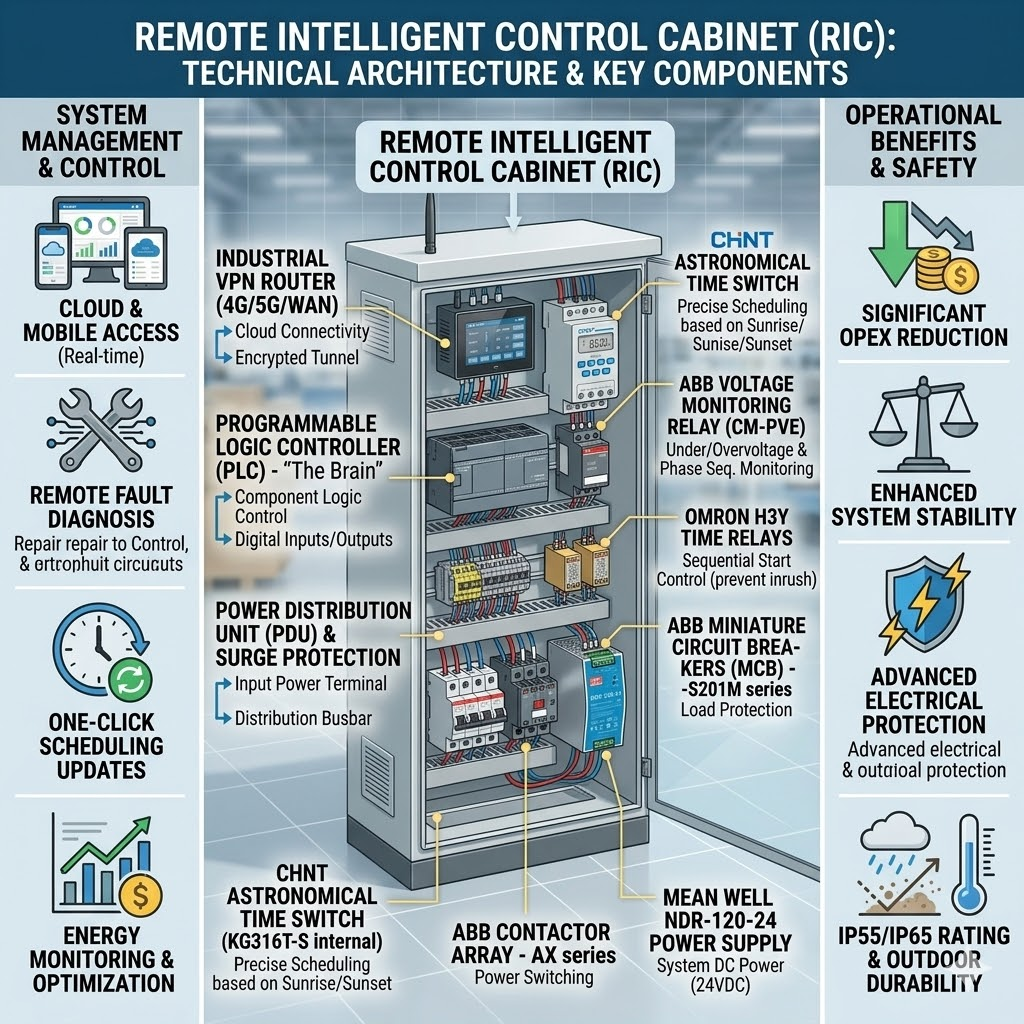
Með því að skoða þessa háþróaða stjórnunarstofu getum við séð nokkra hágæða iðnaðarhluti sem eru sameindir innan í henni:
1. Iðnaðarlegur netmiðlunarmiðlunarmiðlunarmiðlunarmiðlunarmiðlunarmiðlunarmiðlunarmiðlunarmiðlunarmiðlunarmiðlunarmiðlunarmiðlunarmiðlunarmiðlunarmiðlunarmiðlunarmiðlunarmiðlunarmiðlunarmiðlunarmiðlunarmiðlunarmiðlunarmiðlunarmiðlunarmiðlunarmiðlunarmiðlunarmiðlunarmiðlunarmiðlunarmiðlunarmiðlunarmiðlunarmiðlunarmiðlunarmiðlunarmiðlunarmiðlunarmiðlunarmiðlunarmiðlunarmiðlunarmiðlunarmiðlunarmiðlunarmiðlunarmiðlunarmiðlunarmiðlunarmiðlunarmiðlunarmiðlunarmiðlunarmiðlunarmiðlunarmiðlunarmiðlunarmiðlunarmiðlunarmiðlunarmiðlunarmiðlunarmiðlunarmiðlunarmiðlunarmiðlunarmiðlunarmiðlunarmiðlunarmiðlunarmiðlunarmiðlunarmiðlunarmiðlunarmiðlunarmiðlunarmiðlunarmiðlunarmiðlunarmiðlunarmiðlunarmiðlunarmiðlunarmiðlunarmiðlunarmiðlunarmiðlunarmiðlunarmiðlunarmiðlunarmiðlunarmiðlunarmiðlunarmiðlunarmiðlunarmiðlunarmiðlunarmiðlunarmi......
Efst í stofunni er sameindur PDU (Power Distribution Unit) og iðnaðarlegur VPN-veitulýsir. Þessir hlutir eru lykillinn að "fjarstýringu". Þeir leyfa stjórnendum að nálgast innra netið gegnum dulkóðaðan tunnul til að framkvæma áætlun, dimma eða leita að villa án þess að þurfa að vera fyrir staðinum.
2. Nákvæm rökhugunarstýring: CHNT tímastýri og OMRON rælur
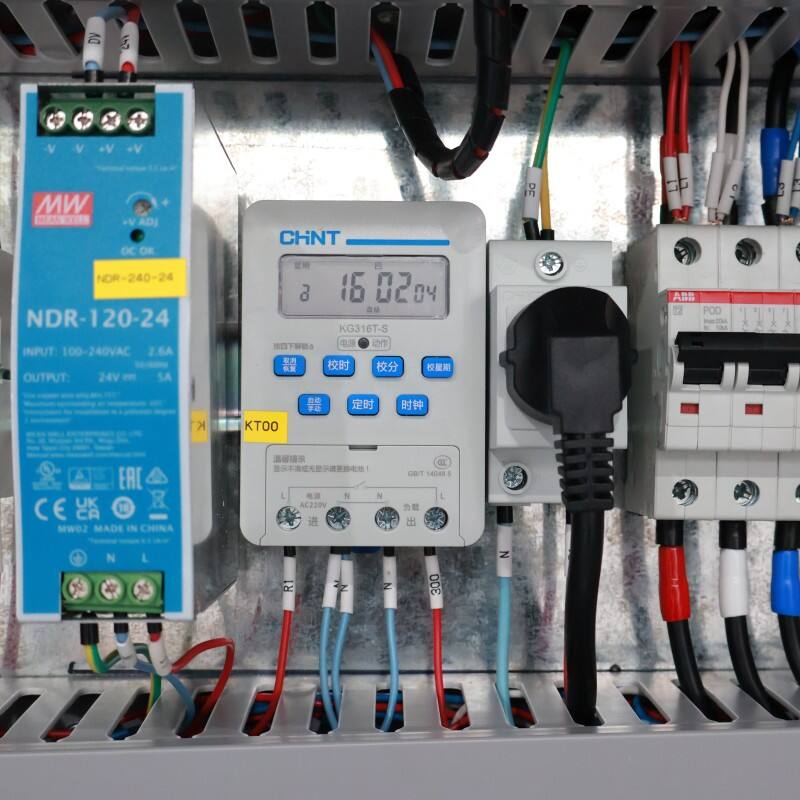
Kerfið notar CHNT KG316T-S tímastýri með stjörnufræðilegum virkni, sem stillir sjálfkrafa lýsingartíma eftir staðbundnum sólarupprás- og sólarlagstíðum. Hér að neðan er röð af OMRON H3Y röð tímarælum sem tryggja að hver umhverfislykla sé kveikt á eftir öðrum, þar með verður forðað breytingum á rafmagnsskerfunum sem orsakast af upphaflegum rafstraumi.
3. Öflugt verndarkerfi: ABB skiptikassa og tengiforrit
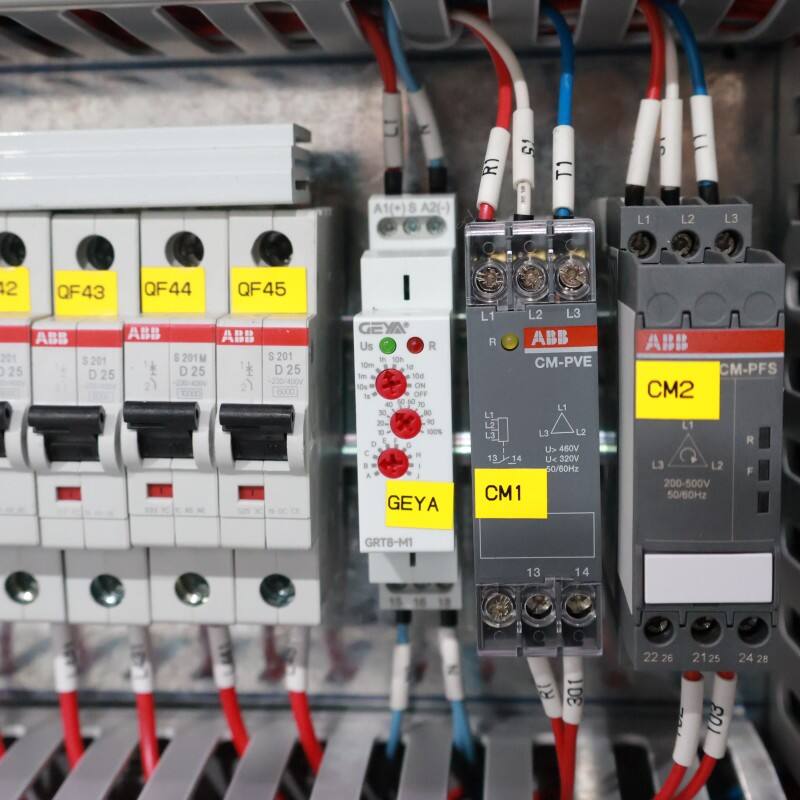
Kerfið notar í miklu mæli ABB hluti, svo sem S201M röð miniatýrskiptikassa (MCB), AX röð tengiforrita og CM-PVE stjórnunarrælur.
Vernd gegn rásatíðni og ofhleðslu: QF röð skiptikassa býður upp á sjálfstæða vernd fyrir hverja LED-hleðslurás.
Þrívíddar spennustjórnun: Sérstakar spennustjórnunar-rælur greina undirspennu, ofspennu og röð fasa í rauntíma, þar með er forðað skaða á rafmagnshvélum eða háþróaðum LED-stjórnunareiningum.
Fjarstýrt heppinlegt stjórnunarskáp vs. hefðbundin innhyljing
Eiginleiki |
Fjarstýrt heppinlegt stjórnunarskáp (RIC) |
Hefðbundin innhylming |
Starfshættir |
Fjarstýring í forriti fyrir snjalltæki eða tölvu, samstilling í skýinu |
Handvirk eða einföld staðbundin tímastillun |
Villaávarp |
Rauntíma ávarp (SMS / tölvupóstur) |
Krefst handvirkrar á staðnum inspektsjónar |
Tímaáætlun |
Sjálfvirk stjörnufræðileg fylgni, uppfærsla með einum smelli |
Vélræn vísisnúðar; er erfitt að stilla |
Viðhald |
Lág (80% af vandamálum eru greind á fjarveg) |
Há (krefur tíðar vistana á stað) |
Öryggi |
Tölvuskráning á spennu, rafhlöðuskydd (SPD) og dulkóðuð samræði |
Grunnvegalekavarnun aðeins |
Af hverju velja fjarstýrt heppinlegt stjórnborð?
1. Markvart minnka rekstrar kostnaður (OPEX)
Fyrir landslagsbýsningu sem er dreifð um borgina er kostnaður við handvirka inspektion mjög hátt. Fjarstýrða greiningarfallið í heppinlega stjórnborðinu gerir þér kleift að auðkenna nákvæmlega hvaða öryggisbrotara hafa brotist út frá starfsstofu þinni, sem gerir nákvæma viðhaldsmat mögulegt.
2. Auka kerfisstöðugleika
Sambyggðir tengiforritar og verndarhlutir meðhöndla áhrifavirkilega háa innleiðingarstrauma sem eru algengar hjá LED-afturkallunareiningum. Auk þess tryggir innbyggt iðnaðarrafmagnsveituhluti (t.d. Mean Well NDR-120-24) að stjórnkerfið virki stöðugt jafnvel í ógnvekjandi umhverfi.
3. Framtíðarsökuð fyrir þarfir heppinna borga
Þessi skápar eru hannaðir með fjölbreytum útvíttunargrunn, sem gerir það auðvelt að tengja við „Smart City“ stórgögnakerfi – grunnsteinn fyrir stafræna umbreytingu borgarljósana.
Algengar spurningar (FAQ)
Spurning 1: Hvernig náir þessi skápur ávallt „fjarstýringu“? Krefst það fasts internet-tengils?
Svar: Skápurinn er búinn innbyggðum iðnaðarlegum VPN-samknitunarhleppi sem styður margar tengimáta. Í svæðum þar sem til er núverandi innviða má tengja með gegnum WAN-hlið (WAN-port), en í fjarlægum eða opinberum staðsetningum má nota 4G/5G SIM-kort fyrir óþráðlausa fjarskiptatengingu.
Spurning 2: Ef netið fellur út á staðnum, munu ljósin samt kveikjast og slökkva?
Svar: Ört. Skápurinn notar tvöfaldan tryggingarmáta með „fjarstýrðum skipunum + staðbundinni rökfræði“. Jafnvel ef netið er ekki tiltækt mun innbyggður CHNT-álfugur tímaskiptihleppi framkvæma ljósaskipanirnar samkvæmt staðbundnu forriti sínu.
Spurning 3: LED-ljós hafa há upphafsstrauma; hvernig verður þessum skápum fyrir því að straumurinn brotni eða að skemmdir verði?
A: Við leysum þetta með tveggja stiganna vernd: Fyrst, vinna ABB AX-raðarinnar tengiforritum um skiptingu á miklum rafstraumi. Annað, notast OMRON tímarelæt við "röðbundna ræsingu", þar sem rafhringirnir eru kveikdir einn í sinni til að dreifa áhrifunum á rafnetið.
Spurning 4: Getur þessi skápur fylgst með rafmagnsfrávikum og sent viðvörun?
A: Já. Innbyggður ABB CM-PVE spennufylgirelætur fylgist með sveiflum í þrívíddar spennu. Ef rafspennan lægir of mikið, hækkar of mikið eða ef einhver af fásurnar er brotin, heldur kerfið sjálfdæmiskt áfram með að slökkva á rafmagninu til að vernda hleðsluna og sendir viðvörun til stjórnunar.
Spurning 5: Hver er verndargráðan? Getur hana verið sett upp beint úti?
Þessir skápahólf nota hársterku köldvalda stálhólfa með verndargráðu venjulega IP55 eða IP65. Með hárgæðum þéttunarböndum og síuðum viftum fyrir loftskipti eru þeir fullkomlega ástandið til að standa á móti ryk og regni í garðum eða í borgarvegum.
Niðurstaða: Hvaða val ættuðu að gera?
Ef verkefnið þitt er lítið, staðbundið dreifingarverkefni, getur hefðbundin innbygging nægt. Ef verkefnið þitt felur í sér stjórnun á margum staðsetningum, háa áreiðanleikakröfur eða ósk um langtímaávöxt (ROI) með minnkun viðhalds, er þessi fjartengd ræktunarstöð – sem er samþáttað með VPN og fyrsta flokks ABB-hlutum – langt framþekkilegri valkostur.