Home > Product > Power distribution equipment > Low Voltage Drawer Cabinet
Overview

Modern infrastructure often requires dependable power management, making the 380V Distribution Cabinet a common asset for facility operators.
Operating at an industrial frequency of 50Hz, this system helps manage electrical flow, aiming to prevent overloads and minimize energy waste.
It typically acts as a central hub for receiving and distributing electricity safely to multiple terminal endpoints. Operators may benefit from its
interface, which allows for monitoring and troubleshooting routines. Beyond basic routing, it often incorporates protective measures intended
to shield sensitive machinery from common voltage fluctuations. By helping to consolidate control into a unified framework, it can simplify
maintenance routines and assist in managing long-term operational costs.
Core Components and Features
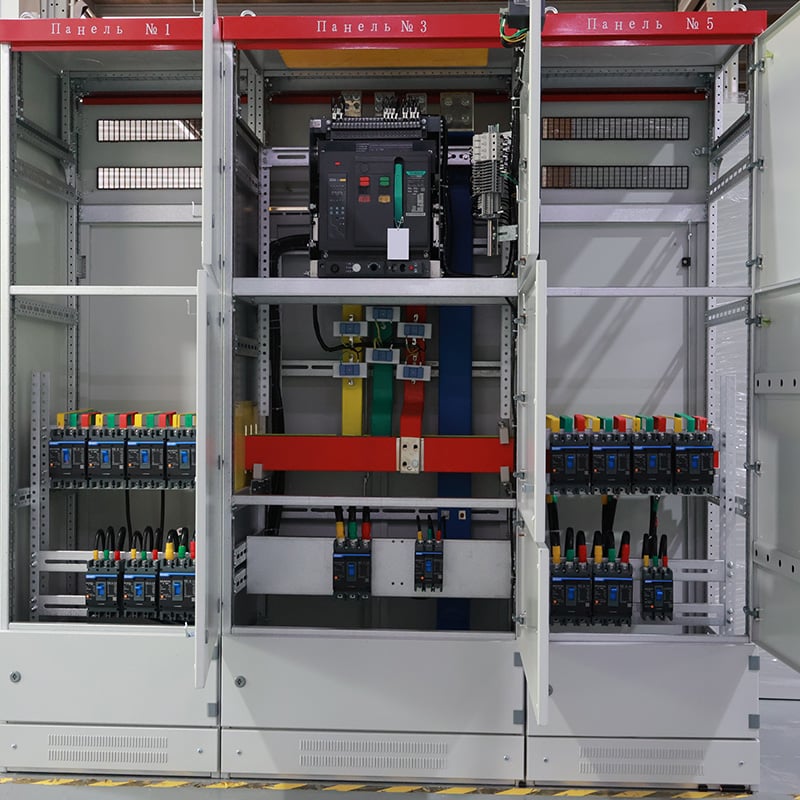
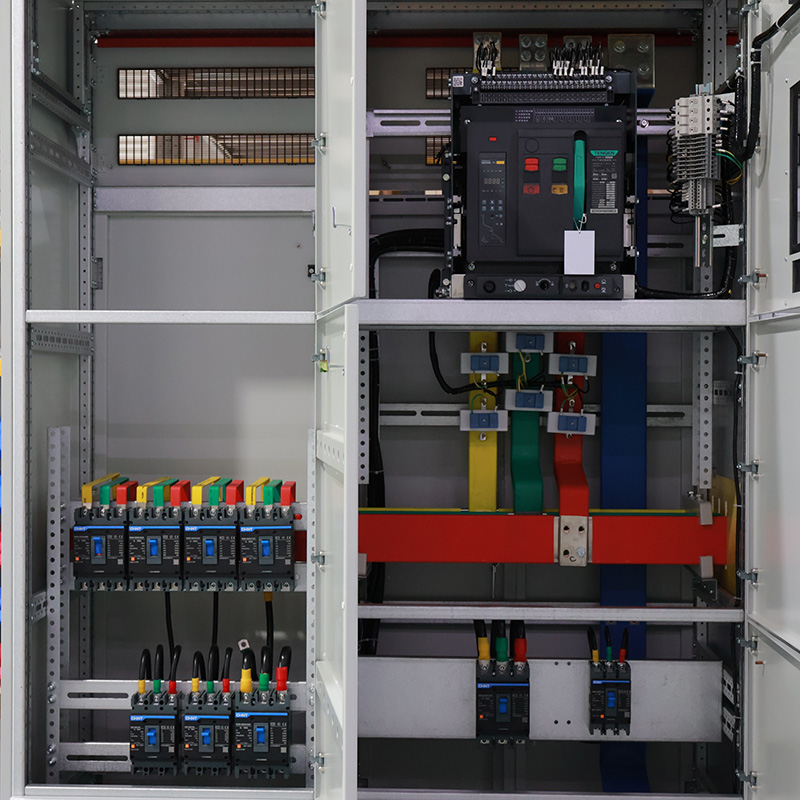
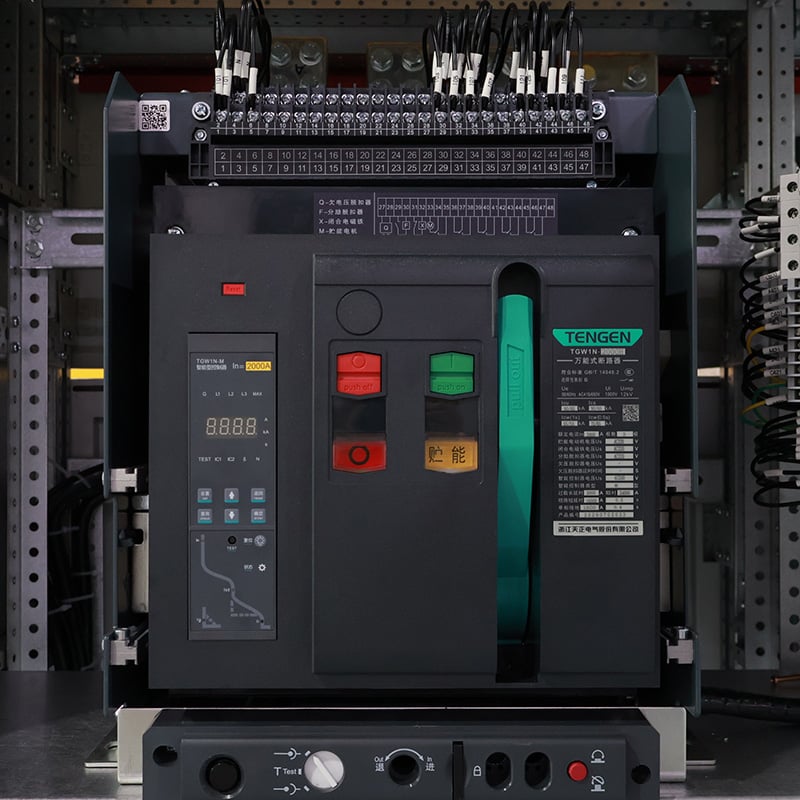
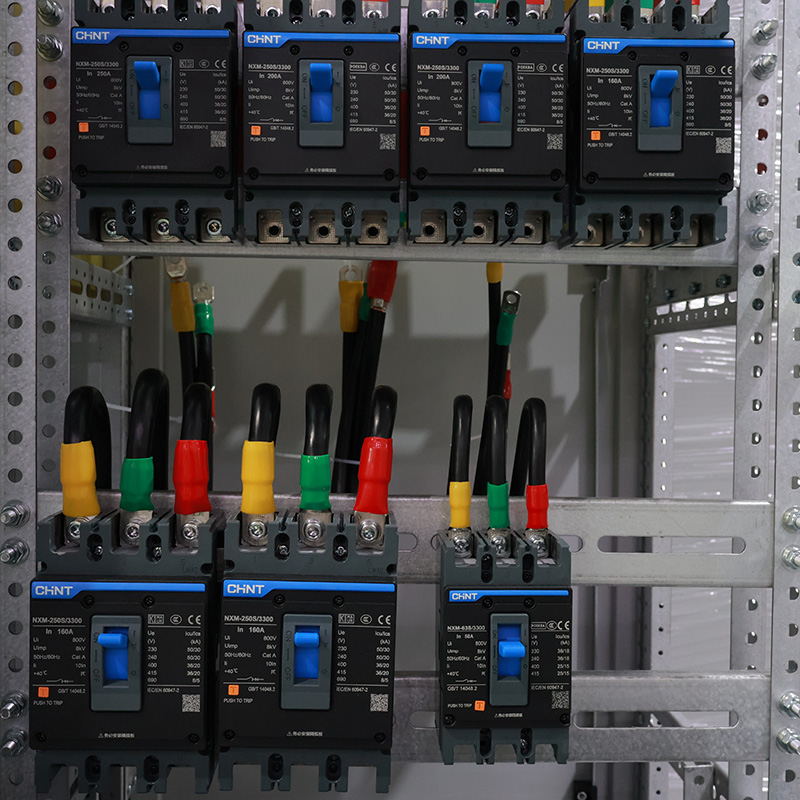
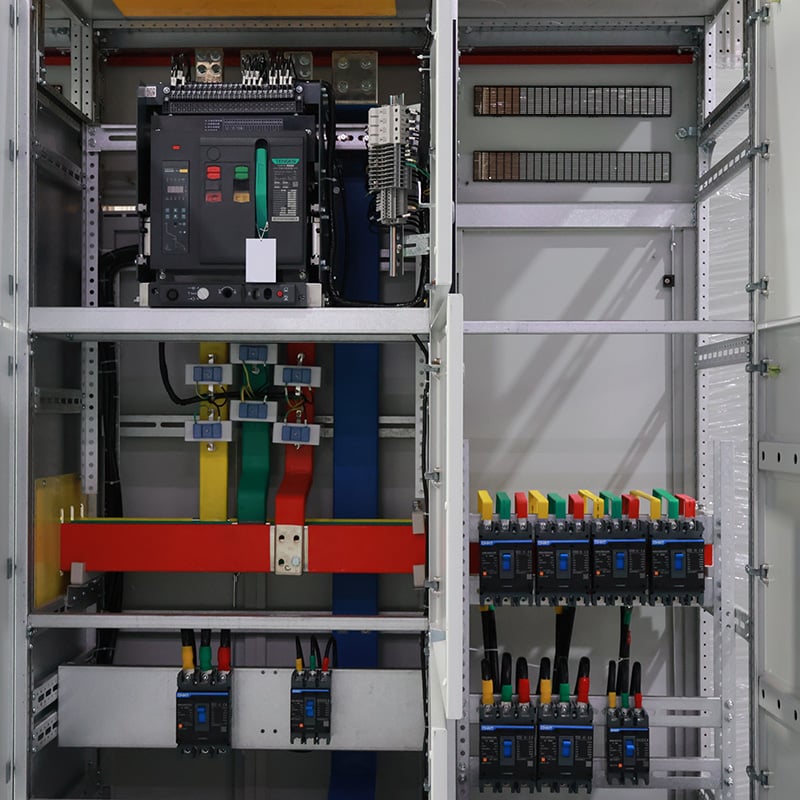
Inside the GGD Low Voltage Power Distribution Switchgear, an arranged network of components generally works together to control electrical loads.
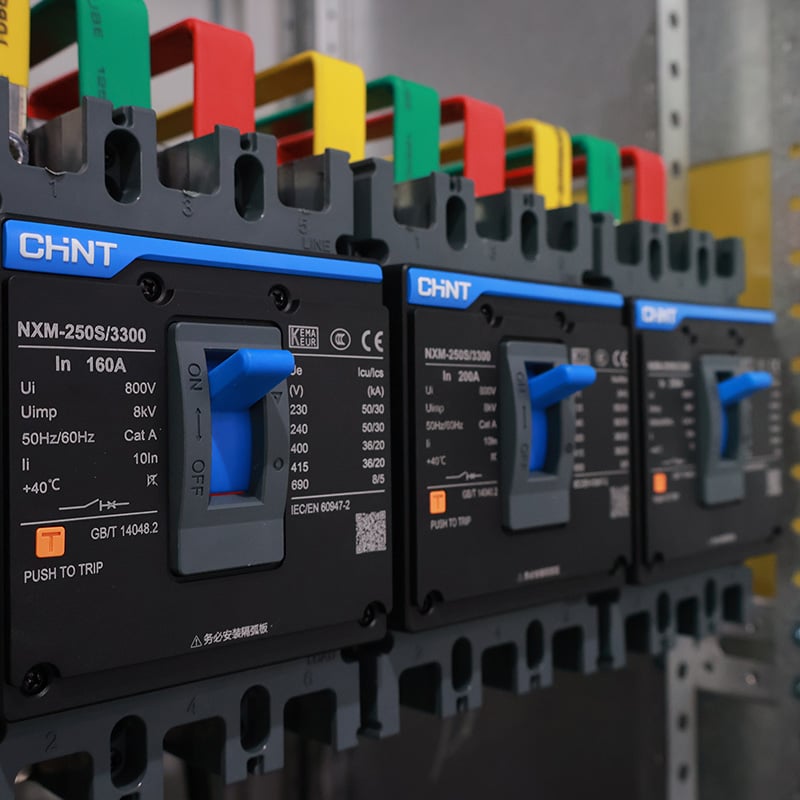
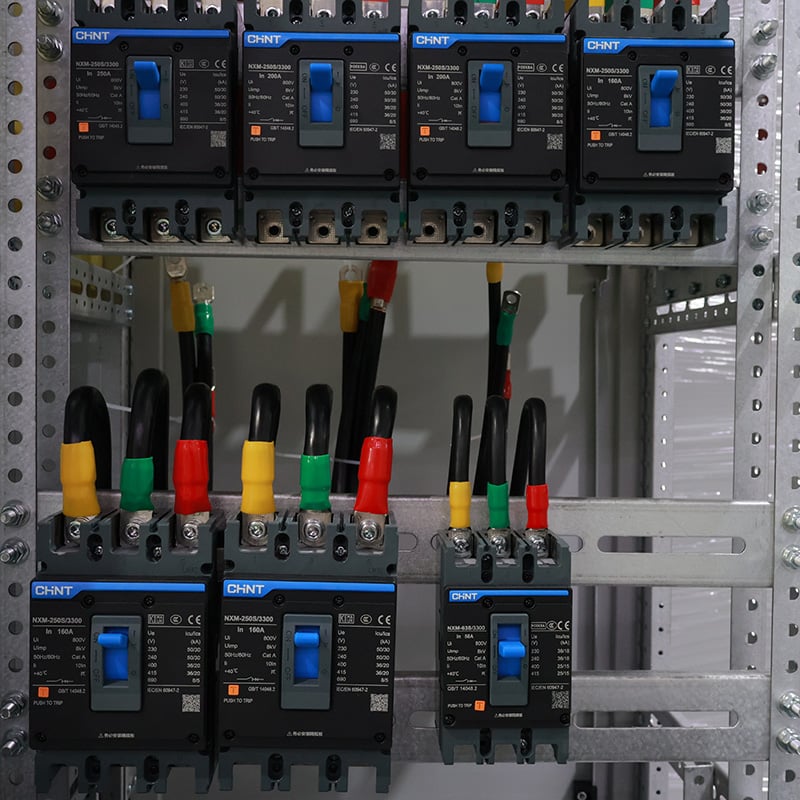
The primary circuit breakers are designed to handle currents and can cut off power during certain fault conditions to help prevent damage. Copper
busbars route electricity efficiently with lower heat generation. Control relays and measuring instruments provide data on voltage and amperage,
allowing personnel to monitor system conditions. Operating as a central node, it helps direct power to specific sub-circuits while offering localized
protection. The internal layout often separates functional units to help prevent arc flashes from spreading during routine checks. Surge arresters
and grounding systems can further support the network against external electrical spikes. This combination of heavy-duty switching devices and
monitoring tools generally assists in keeping electrical distribution stable and responsive.
Design and Compliance
Design:
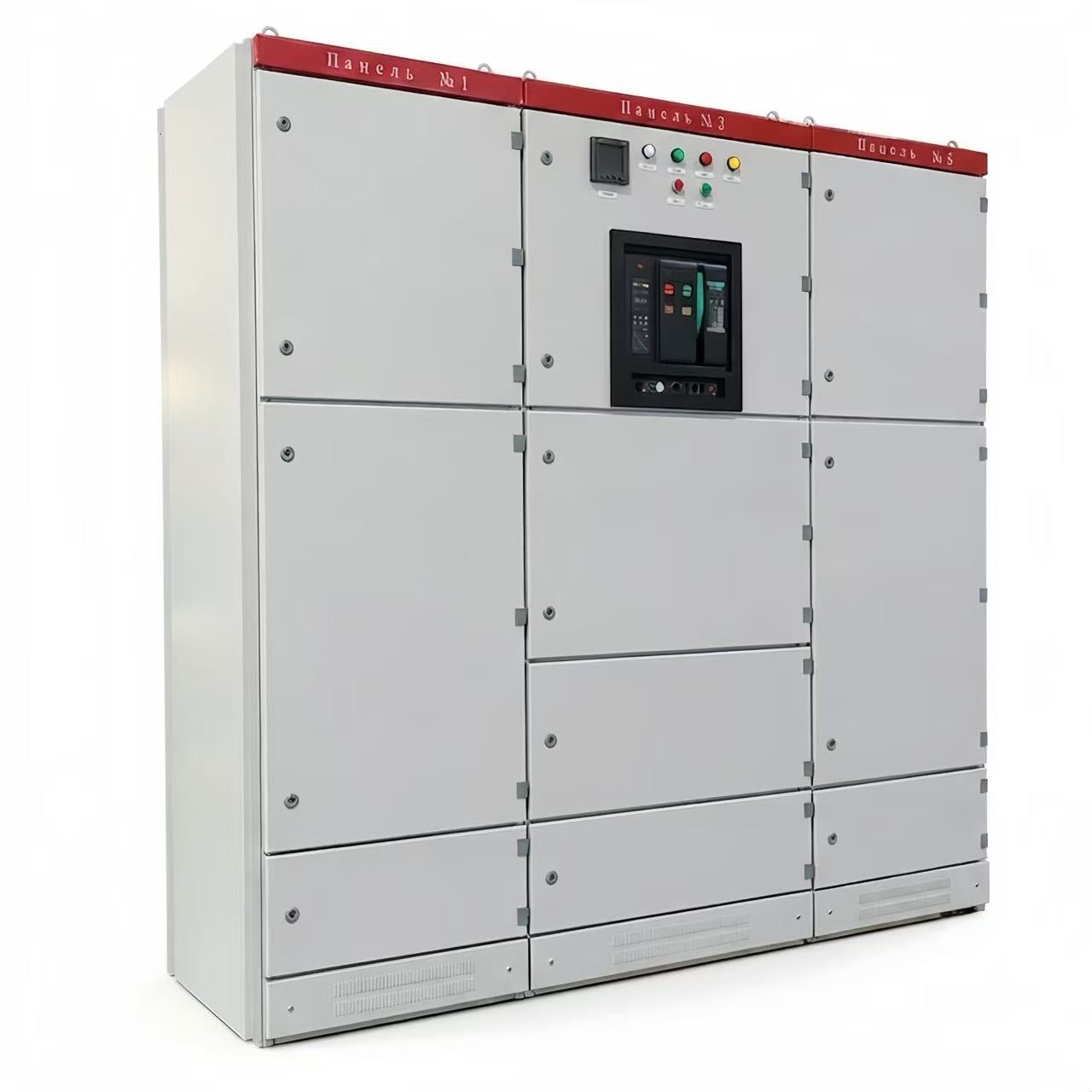
The enclosure of this AC Low Voltage Distribution cabinet utilizes cold-rolled steel, providing mechanical strength and resistance to environmental
corrosion. Its framework features ventilation slots intended to promote air circulation, helping to dissipate heat generated by internal components.
This thermal management design generally helps the system operate within designated temperature thresholds during peak load periods, supporting
the lifespan of internal electronics.
Compliance:
Designed to operate as a Fixed type complete distribution Switchgear, the equipment is structured to comply with major international electro-technical
standards, such as IEC 61439. The internal layout generally adheres to standard modular dimensions, supporting compatibility with typical industrial
footprints. Electrical connections, busbar supports, and insulation materials are commonly tested to meet safety codes, aiming to maintain dielectric
strength. This approach helps the system align with municipal inspections and integrate into certified electrical grids.
Key Advantages
High Short-Term Withstand Capacity
Built to handle electrical conditions reliably, the system features a short-circuit breaking capacity designed to assist in the rapid isolation of electrical
anomalies, helping to protect downstream equipment from certain electrical surges and reducing potential facility damage during grid fluctuations.
Load Current Handling
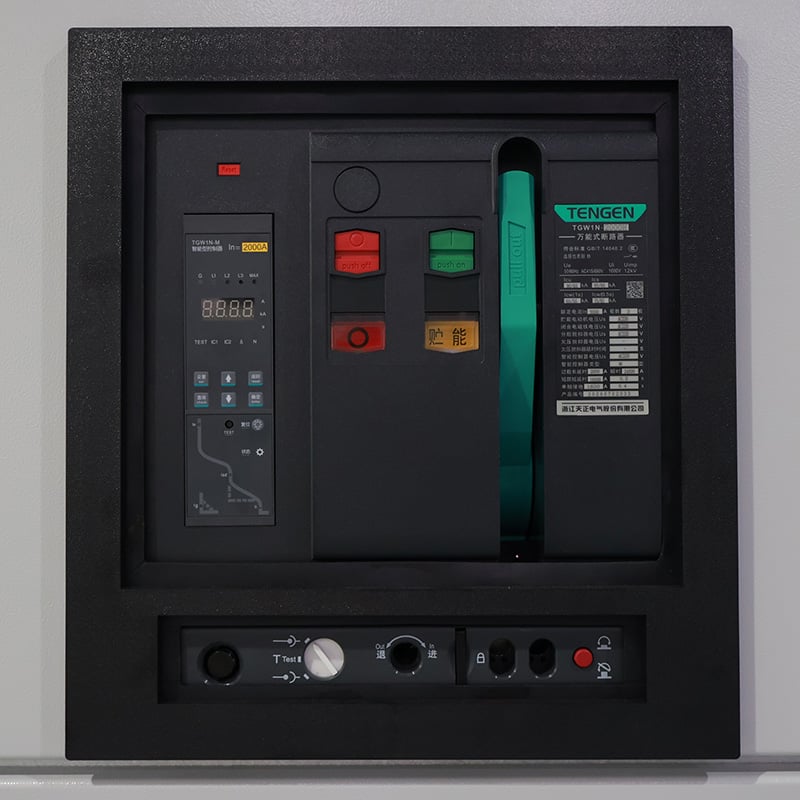
When configured as a 2000A GGD Main Power Distribution Cabinet, it is designed to sustain electrical loads required by heavy industrial machinery,
making it a suitable central hub for facilities that experience continuous power requirements and heavy operational demands.
Operational Safety Standards
The fixed internal structure helps eliminate mechanical risks associated with moving draw-out parts. Furthermore, physical separation between live
electrical components and operator access panels can minimize the chance of accidental contact, supporting workplace safety protocols for maintenance
personnel during daily inspections.
Simplified Maintenance
The non-withdrawable cabinet design tends to reduce overall mechanical complexity compared to some modular alternatives. With fewer moving parts
that might wear out, misalign, or jam, facility managers may experience lower routine maintenance costs and reduced downtime, supporting overall
operational productivity and long-term equipment value.
Parameter
Parameter |
Specification |
Rated Insulation Voltage |
660V AC |
Rated Operational Voltage |
380V AC |
Rated Frequency |
50Hz / 60Hz |
Rated Main Busbar Current |
Up to 3150A |
Enclosure Protection Degree |
IP30 (Standard) / IP40 |
Protection |
Short-circuit, Overload, Surge |
Application Scenarios
Industrial Manufacturing Plants
In continuous production environments, stable electricity is often critical. The system can support heavy machinery, automated assembly lines,
and robotic operations by helping to maintain a steady power supply, managing load fluctuations to help prevent halts in manufacturing schedules
and unexpected production delays.
Commercial and Municipal Infrastructure
Commercial complexes, airports, and stations often rely on equipment of this type to manage lighting, HVAC systems, and escalators. Deployed as
a Heavy duty low voltage feeder cabinet, it can help section off power to different facility wings, isolating localized electrical issues so that other parts
of the infrastructure can remain operational and safe for visitors.
Renewable Energy Power Plants
It may also play a role in solar and wind generation farms by acting as an intermediary distribution point, helping to manage low-voltage output from
various inverters before feeding into the main grid while withstanding environmental variables at remote green energy installation sites.
Data Centers and Telecommunications Hubs
These facilities typically require absolute power consistency. The equipment can distribute electricity to server racks and cooling units, helping to protect
sensitive data transmission and storage operations against unexpected voltage drops or regional power grid issues.
 EN
EN